Delocalized narratives
Web (HTML, CSS, JavaScript), inkjet prints, CNC-cut panels, variable number and dimensions · 2020– (ongoing)
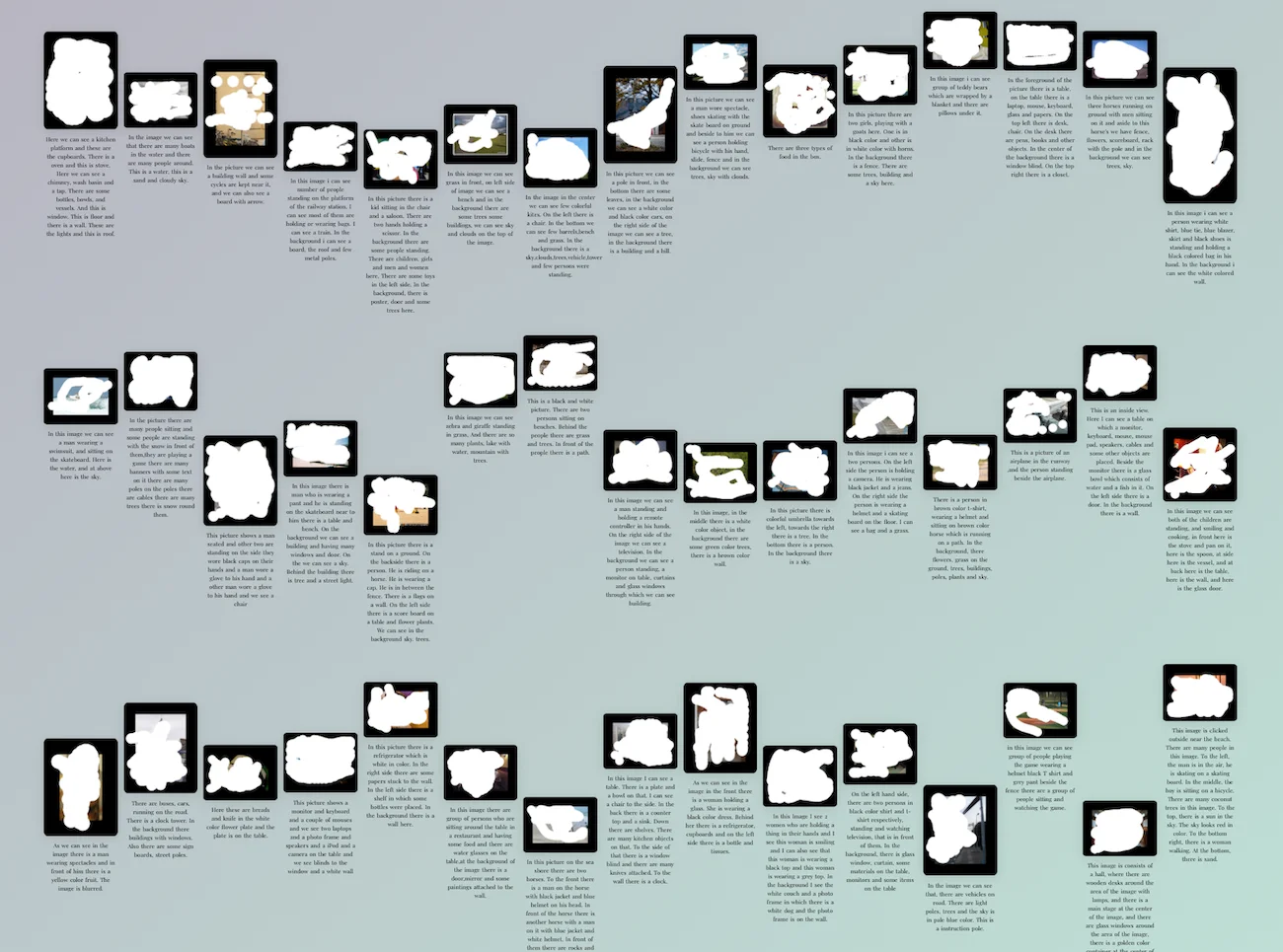
Based on the Localized Narratives developed by Google Research, this project questions the links between language, assisted vision and erasure. In the original dataset, a narrator described an image while hovering over the areas they considered important, producing geolocated metadata (text, coordinates, sound).
The dataset contains a set of small, poorly framed, uncontrolled images (composition, colours, subjects…), supposed to form a representative share of reality (with all the enormous biases that implies). Alongside these images come the coordinates of the mouse traces of a narrator who, at the same time, describes the image (what they see in it and what they choose to describe). These traces, sound recordings and transcriptions are the raw material of this work.
I applied a simple gesture to these images: following every trace with a large white ellipse, leaving only the pulp of the image, its fallow areas, and leaving it without a subject.
While ever more effort goes into isolating, identifying and naming what is in an image, here I focus on what remains, on what can still spark our imagination and make us appreciate the shapes of absence, of what persists in spite of everything. The result is a visually striking series (which is what I am after) that has taken several forms (prints, a website, CNC cut-outs…).
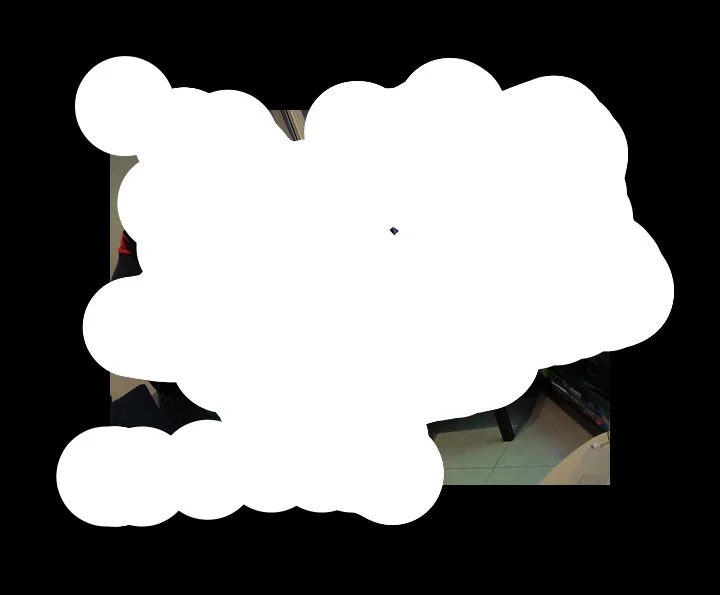
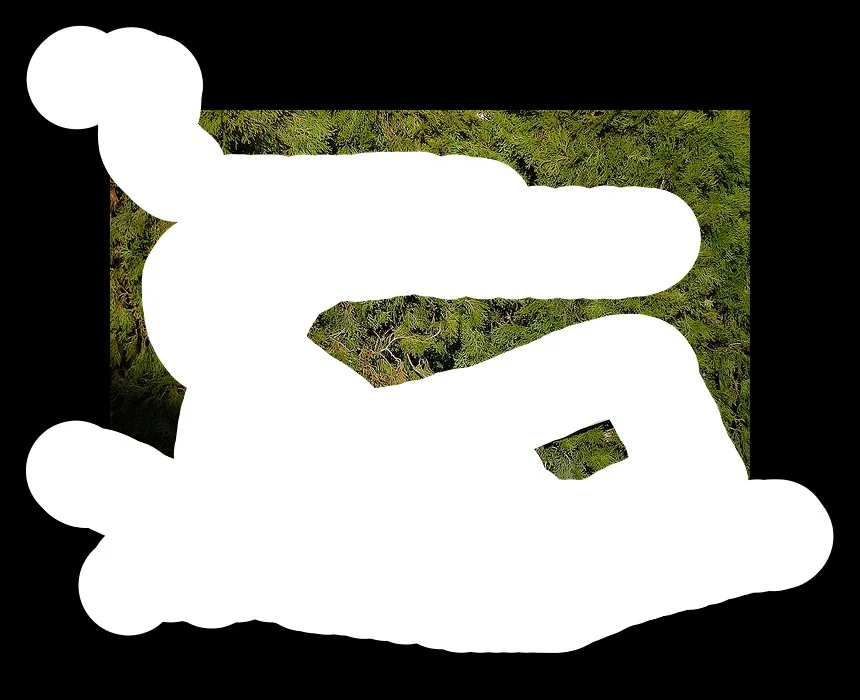
The text, however, remains. It goes on describing what is no longer visible. This gap opens a space between perception and memory, between description and disappearance. It echoes our age of AI-generated images, where words come before forms, and forms are sometimes only assumed.
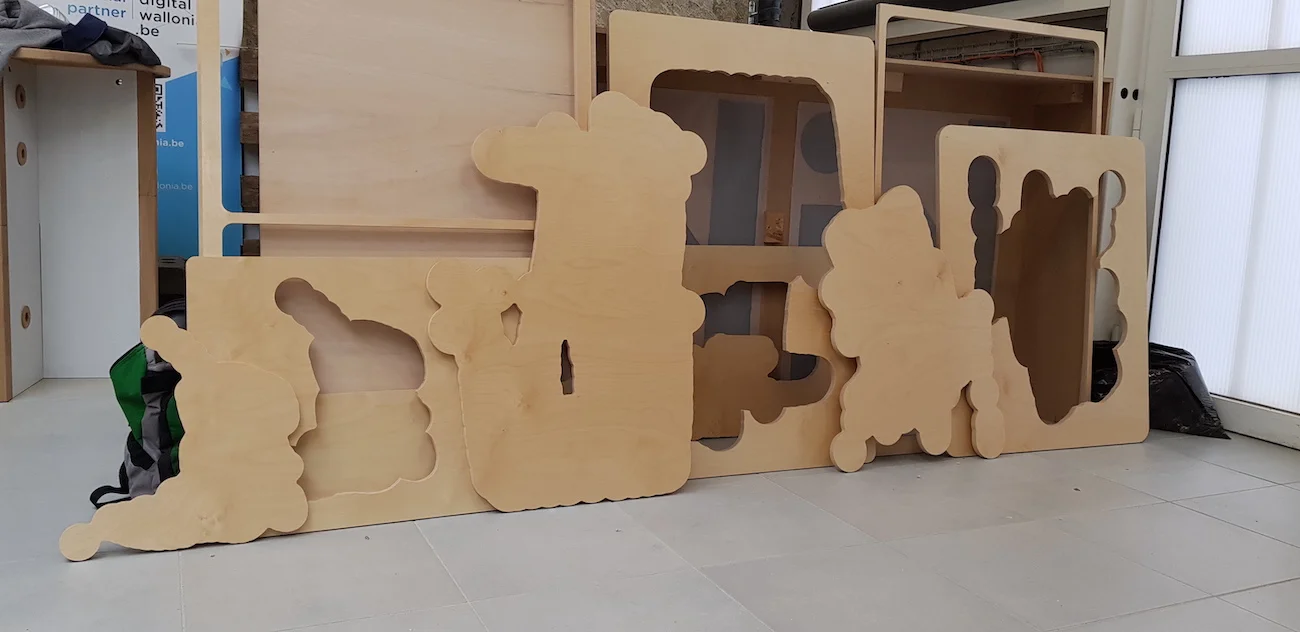
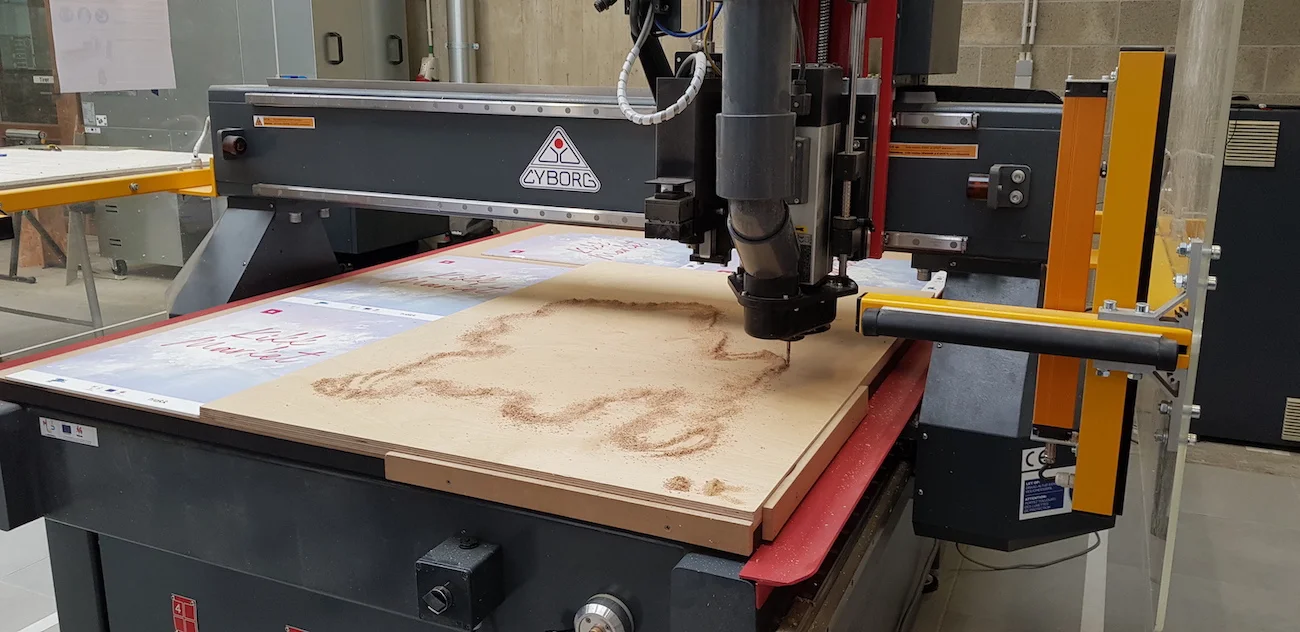
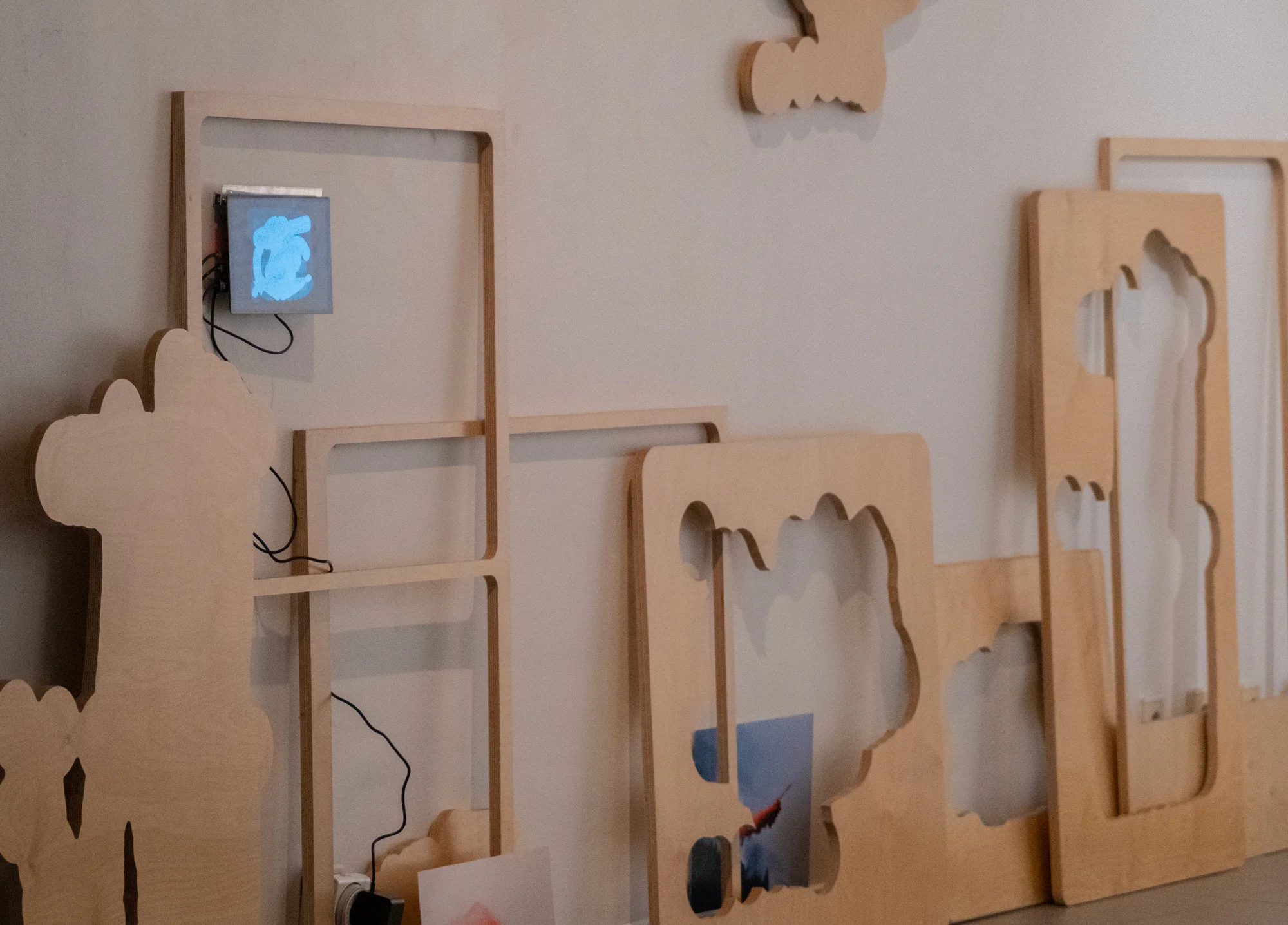
The project also exists in physical form, as cut birch panels, carrying this logic of erasure into the material itself.